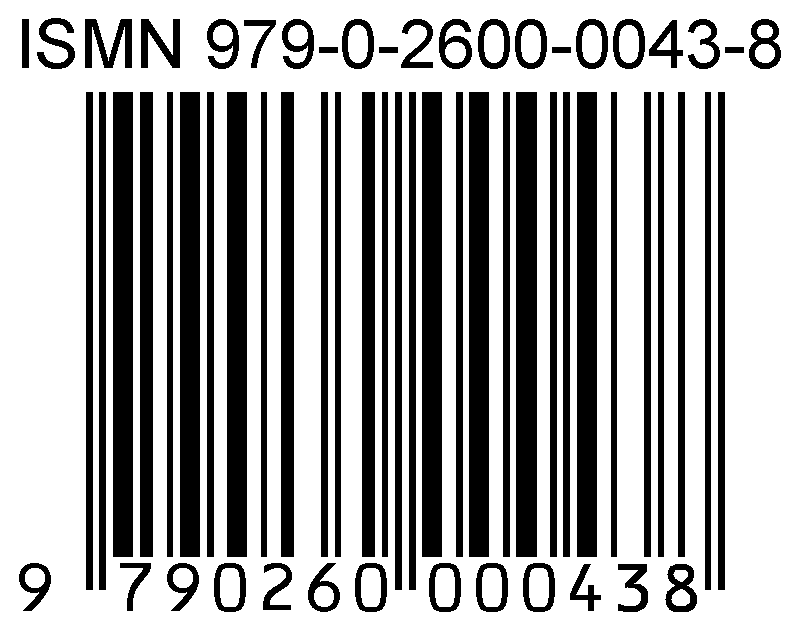
What is an ISMN?

Who Needs an ISMN?
Everyone who comes in contact with notated music publications needs an ISMN.
Its usefulness is recognized internationally by
music publishers,
music traders,
libraries,
composers,
rights organizations &
musicians.
The International Standard Music Number is an efficient tool wherever notated music publications are produced, disseminated, sold and lent.
Therefore, music publishers, music traders and librarians profit most from the rationalization effects of the introduction of the ISMN in the respective field.
The ISMN has been proved to be effective as a unique identifier in the following areas:
| Publisher | Trade | Libraries | |
|---|---|---|---|
| Production | ✓ | ||
| Stock control | ✓ | ✓ | |
| Accounting | ✓ | ✓ | ✓ |
| Ordering | ✓ | ✓ | ✓ |
| Billing | ✓ | ✓ | ✓ |
| Handling, returns | ✓ | ||
| Music in Print directory | ✓ | ✓ | ✓ |
| Online ordering | ✓ | ✓ | ✓ |
| Information retrieval | ✓ | ✓ | ✓ |
| Electronic point-of sale systems | ✓ | ||
| Downloading of catalogue | ✓ | ||
| Circulation and interlending | ✓ | ||
| National bibliographies | ✓ |
How to get ISMN?
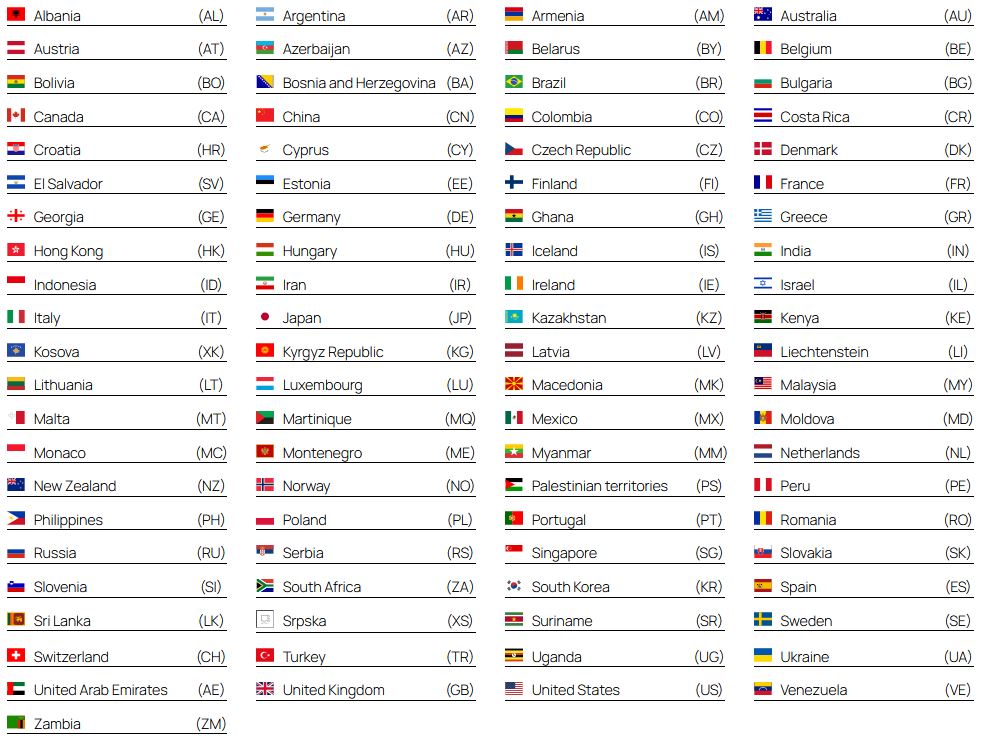
If you wish to obtain an ISMN publisher ID, you should contact your country’s or region’s national ISMN agency.
The local ISMN representative will give you further information on the procedure of the ISMN assignment. This may differ from country to country, as do regulations concerning fees and charges.
The number of digits which your ISMN publisher ID will include should reflect the size of your company, i.e. smaller publishing houses should receive a long publisher ID (for example, seven digits allowing only ten publications to be numbered), larger publishing houses will receive a short publisher ID (for example, four digits allowing 10,000 publications to be numbered).
Author publishers are also entitled to an ISMN.
Presently, about 60 countries or regions are official ISMN members. The contact addresses of all national agencies are listed here.